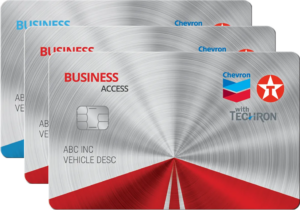
Managing ten, twenty or fifty vehicles with individual credit cards creates billing chaos and limited oversight of spending. Each vehicle generates separate transactions, drivers use different payment methods and monthly reconciliation takes hours to sort scattered charges. Fleet fuel cards are designed to help consolidate operations into a unified account management system, improving visibility and control.
Fleet cards can help consolidate all fuel purchases into a single monthly statement.
With Chevron and Texaco fleet cards, centralized vehicle management and fuel savings work together. Apply for a Chevron Texaco fleet card today.
Unified Billing Across All Vehicles
Individual vehicle payment methods produce dozens or hundreds of monthly charges scattered across multiple credit card statements. Accounting departments spend hours compiling these transactions, coding them properly, and reconciling amounts against budgets. This fragmentation typically wastes time while providing poor spending visibility.
Fleet cards can help consolidate all fuel purchases into a single monthly statement. Every vehicle refueling appears on one unified bill with consistent formatting and categorization. This consolidation often helps reduce accounting time from hours to minutes while improving financial reporting accuracy.
Single Account Structure Benefits
Single accounts hosting multiple cards share credit limits across all vehicles rather than requiring per-card limits. A fleet with 30 vehicles and a $15,000 monthly credit limit can distribute spending however operational needs dictate. High-mileage vehicles consume larger shares, while lower-usage units don’t waste unused credit allocation.
Account-level management also simplifies credit limit adjustments. Businesses experiencing growth or seasonal volume changes request single limit increases rather than managing individual card modifications. This centralization typically provides operational flexibility per-card credit structures cannot match.
Consolidated Monthly Statements
Monthly statements organize transactions by vehicle, driver, time period, or expense category, depending on business reporting preferences. This flexible organization helps different departments access data in formats matching their specific needs without requiring custom report generation.
Statement export functionality allows data integration with accounting systems like QuickBooks. Automated imports can help eliminate manual data entry while improving financial reporting accuracy. Month-end processes previously requiring days to complete can be finished in hours through these automated workflows.
Centralized Purchase Control Configuration
Managing purchase restrictions across multiple individual credit cards proves tedious and error-prone. Each card requires separate configuration, policy changes need individual implementation, and verifying consistent settings across dozens of cards consumes significant administrative time.
Centralized fleet card systems typically allow account-level policy configuration. Setting fuel-only restrictions once affects every vehicle instantly. Adjusting spending limits happens at the account level rather than requiring individual card updates. This centralization can help reduce administrative burden while ensuring policy consistency.
Account-Level Purchase Restrictions
Product restrictions configured at the account level apply universally across all vehicles. Setting accounts to fuel-only purchases automatically blocks convenience store items on every card. No individual card configuration required. There is no risk of missing vehicles during policy updates.
Exceptions can be configured for specific cards when operational needs require flexibility. Maintenance vehicles might need the capability to purchase parts, while delivery vehicles remain restricted to fuel. The system accommodates both universal policies and vehicle-specific requirements through centralized management interfaces.
Fleet-Wide Reporting and Analytics

Understanding total fleet fuel consumption requires aggregating data across individual vehicles. Manual aggregation from scattered credit card statements proves tedious and error-prone. Centralized systems typically generate fleet-wide reports automatically showing total spending, average per-vehicle costs, and consumption trends.
These comprehensive reports help businesses understand fleet performance at macro levels, with the ability to drill down into vehicle-specific details. The dual perspective often provides insights neither pure aggregation nor individual-vehicle analysis can deliver on their own.
Fleet-Level Expense Summaries
Monthly fleet expense summaries show total fuel spending, gallonage consumed, and per-gallon average prices paid across all vehicles. These high-level metrics help managers quickly assess whether total fleet costs align with budgets and historical patterns.
Trend analysis comparing current months to historical periods helps identify developing problems. Gradually increasing consumption might signal growing operational inefficiencies or mechanical issues requiring attention. Early identification often helps address problems before they become expensive.
Vehicle-by-Vehicle Performance Comparison
Comparative reports ranking vehicles by fuel economy, cost per mile, or total monthly spending help identify outliers requiring attention. The highest-performing vehicles set benchmarks, while the lowest performers warrant investigation into potential mechanical or driver behavior issues.
Similar vehicle comparisons prove particularly valuable. Five identical cargo vans operating comparable routes should produce similar fuel consumption. Significant deviations suggest specific problems rather than vehicle design differences, helping target diagnostic efforts effectively.
Driver Accountability Across Fleet Operations
Anonymous fuel purchases create accountability gaps when multiple drivers share vehicles or use personal identification methods. Centralized fleet card systems with driver ID requirements are designed to help establish clear accountability chains showing which driver refueled which vehicle and when.
These comprehensive reports help businesses understand fleet performance at macro levels, with the ability to drill down into vehicle-specific details.
This transparency often promotes more responsible spending. When drivers know purchases are tied to personal identification, they typically exercise greater discretion than when spending remains anonymous. The behavioral change can help reduce wasteful practices across driver populations.
Driver ID Integration
Driver IDs function like PINs required at every fuel purchase. Cards remain assigned to vehicles, but drivers must enter their personal identification to authorize transactions. This pairing creates detailed audit trails showing exactly who refueled specific vehicles at specific times.
PIN requirements also help prevent unauthorized card usage. Cards left in vehicles become useless without correct driver identification. This security layer typically proves more effective than physical card possession alone at preventing fraud and misuse.
Driver Performance Metrics
Centralized systems can generate driver-specific fuel-economy comparisons showing which operators achieve the best efficiency. Recognition programs based on these metrics may help motivate improvement as drivers compete for superior performance rankings.
Problem drivers identified through poor efficiency metrics benefit from targeted coaching. Data-driven conversations showing actual consumption versus peer averages are typically more effective than generic training in promoting behavioral improvements.
Mobile Access to Centralized Management
Fleet management doesn’t stop when managers leave offices. Vehicle issues occur in the field, drivers need assistance, and transactions require review during non-business hours. Mobile access to centralized management systems can help provide on-demand oversight regardless of a manager’s location or time.
Modern fleet card mobile apps typically offer comprehensive account management functionality formerly limited to desktop computers. Reviewing transactions, suspending cards, and checking balances all happen through smartphones while managers handle other responsibilities.
Real-Time Transaction Visibility
Mobile apps provide instant visibility into transactions as they occur. Managers can review recent activity immediately rather than waiting for daily or weekly reports. This real-time awareness often helps identify and address problems promptly rather than discovering issues during monthly reconciliation.
Push notifications for suspicious transactions deliver instant fraud alerts. Unusual purchases trigger immediate notifications, enabling rapid response. These alerts can help minimize fraud exposure by catching problems during early stages rather than after substantial losses accumulate.
Remote Card Management Capabilities
Lost or stolen cards create immediate security concerns. Mobile apps typically allow instant card suspension from anywhere. Managers don’t need office computers or customer service calls. Taps on smartphones suspend compromised cards within seconds, helping prevent fraudulent purchases.
Integration with Fleet Management Platforms
Fuel expense data becomes more valuable when combined with broader fleet management information, including maintenance records, GPS tracking, and telematics data. Integrated systems can help provide comprehensive operational visibility that isolated fuel data cannot match.
Many centralized fleet card providers offer integration capabilities with popular fleet management platforms. Data flows automatically between systems without manual exports and imports. This integration typically extends fuel card value beyond simple payment consolidation into comprehensive fleet operations management.
GPS and Telematics Integration
Combining fuel transaction locations with GPS tracking data helps verify legitimate business usage. Transactions occurring within expected operational territories align with GPS-tracked routes. Purchases in unexpected locations trigger investigation flags suggesting possible misuse or theft.
Fuel economy calculations improve through telematics mileage data. Precise odometer readings from vehicle computers provide more accurate fuel consumption metrics than manually entered values. This precision typically enables better efficiency monitoring and problem identification.
Maintenance System Connections
Linking fuel card data to maintenance management systems provides complete visibility into vehicle operating costs. Fuel and maintenance expenses can be viewed together to show total ownership costs rather than isolated expense categories. This comprehensive view often supports better decisions about the vehicle lifecycle.
Multi-Location Business Support
Businesses operating across multiple locations face additional management complexity. Each location may have distinct operational patterns, different management teams and separate budget responsibilities. Centralized systems can help accommodate this complexity through location-based reporting and delegation capabilities.
Location-Based Reporting
Reports organized by location show site-specific fuel consumption, costs, and vehicle activity. Location managers receive data relevant to their operations without accessing unrelated information from other sites. This segmentation helps provide appropriate visibility levels matching the organizational structure.
Cross-location comparisons help identify performance variations, suggesting best practices worth replicating. High-performing locations set benchmarks for struggling sites. Comparative data often reveal operational differences, which help explain performance gaps and suggest opportunities for improvement.
Managing multiple vehicles through centralized systems eliminates the chaos of scattered payment methods. Get started by applying for a Chevron and Texaco fleet card.