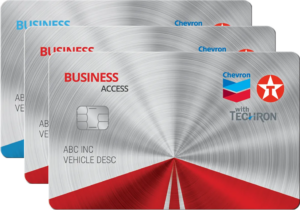
Fuel theft costs fleet operations thousands of dollars annually through stolen cards, unauthorized driver use and fraud schemes. Traditional credit cards offer limited theft protection, while cash provides none. Fleet fuel cards include security layers to help reduce theft risk through verification requirements, spending restrictions and real-time monitoring.
Fleet cards with configurable transaction limits automatically prevent excessive charges. Purchases exceeding preset thresholds are declined at the pump before charges are applied.
Theft prevention and purchase controls work together with the Chevron and Texaco Business Fleet Card. Features include driver ID verification, spending limits and fraud monitoring, helping to protect fuel budgets. Apply today.
Driver ID Verification Requirements
Anonymous transactions create theft opportunities. Anyone possessing a credit card can make purchases without identity verification, making fuel theft common. Fleet cards with driver ID requirements prevent this theft through PIN verification at every purchase. Cards are unusable without correct driver identification, creating two-factor authentication to protect against unauthorized usage even when cards are lost or stolen.
PIN-Based Transaction Authorization
Driver IDs function like ATM PINs required for purchase authorization. Cards can be assigned to vehicles or drivers, but drivers must enter personal PINs at pumps to complete transactions. Card possession alone is insufficient for fuel purchases. PIN systems create clear accountability.
Every purchase ties to a specific driver, making theft traceable to individuals. This discourages misuse because drivers know their activity is connected directly to their credentials.
Two-Factor Authentication Benefits
Two-factor authentication combines card possession with PIN knowledge and provides stronger security than either factor alone. Stolen cards are useless without PINs, and compromised PINs are useless without physical cards. PIN changes for departing employees maintain security without requiring the replacement of physical cards. When drivers leave, businesses reset PINs. Cards continue working for authorized drivers without interruption or reissuance costs.
Transaction Limit Controls
Excessive purchases often signal theft. Single transactions exceeding $200 may indicate refueling multiple vehicles or reselling fuel. Credit cards offer minimal per-transaction controls, allowing fraudulent purchases to be processed before they are detected. Fleet cards with configurable transaction limits automatically prevent excessive charges. Purchases exceeding preset thresholds are declined at the pump before charges are applied.
Per-Transaction Spending Caps
Setting limits requires understanding typical refueling costs. A fleet of delivery vans might set $85 limits matching expected full-tank costs. Attempts exceeding limits trigger declines and alerts, helping catch theft early. Limits can vary by vehicle type. Small cars receive $50 limits while cargo trucks get $150 caps. This prevents theft and avoids declines for legitimate large-vehicle refueling.
Daily and Weekly Limits
Daily or weekly limits prevent repeated small purchases below per-transaction thresholds. A card with a $400 weekly limit cannot be drained through multiple purchases within a short period. Cumulative limits are effective against organized theft where cards are shared among unauthorized users. Individual purchases may appear normal, but total spending reveals abnormal patterns.
Product and Merchant Restrictions
Fuel theft often involves non-fuel purchases. Convenience stores sell groceries, alcohol and other items, all of which can be charged to business cards. Credit cards offer minimal purchase restrictions. Fleet cards can restrict transactions to fuel-only purchases. Attempts to buy non-fuel items are declined at the point of sale.
Fuel-Only Transaction Controls
Fuel-only restrictions prevent use inside convenience stores. Store registers process all inventory items, but fuel-only cards decline these transactions while allowing pump purchases. This also prevents personal purchases on business cards and enforces spending policies.
Merchant Category Limitations
Merchant category codes identify business types. Fleet cards can restrict transactions to fuel stations, blocking purchases at restaurants, retailers and other businesses. Geographic merchant restrictions add another layer. Cards can be limited to specific regions. Purchases outside designated areas trigger declines and alerts.
Real-Time Transaction Monitoring

Delayed detection allows losses to accumulate. Monthly statement reviews identify fraud weeks after the fact. Real-time monitoring identifies suspicious activity during or immediately after transactions. Fleet cards provide transaction visibility through web portals and mobile apps. Managers can review purchases within minutes.
Instant Alert Notifications
Alert systems notify managers of suspicious transactions via text, email or app notifications. These alerts are triggered for transactions exceeding thresholds, unusual locations or policy violations.
Manual monitoring often misses these transactions or catches them only after they occur.
Exception Pattern Recognition
Automated systems identify unusual patterns even when individual transactions appear normal. Multiple purchases within a short period or at an unexpected frequency may indicate potential theft. Machine learning can establish baseline patterns for each vehicle and driver. Deviations trigger investigations even when spending remains within limits.
Geographic and Time Restrictions
Theft often occurs outside normal operating conditions. Cards used outside business territories or hours indicate unauthorized access. Geographic and time restrictions limit when and where cards function. These controls can be configured to align with business operations, ensuring legitimate use is unaffected.
Operational Territory Limitations
Geographic restrictions limit card use to designated regions. Attempts outside these areas trigger declines and alerts. This is effective when cards are stolen, as thieves often use them near their location rather than in business areas.
Time-Based Access Controls
Time restrictions prevent card usage outside business hours. Purchases outside approved windows trigger declines and alerts. Different cards can have different schedules based on usage patterns.
Alert settings can be adjusted to balance security and operations. After-hours purchases or unusual patterns can be set to trigger notifications.
Immediate Card Suspension Capabilities
Lost or stolen cards create immediate risk. Traditional cancellation can take time. During delays, fraudulent purchases can occur. Fleet card apps allow instant card suspension. Managers can deactivate cards within seconds.
Mobile Card Management Tools
Mobile tools allow immediate suspension without contacting customer service. This is useful during evenings, weekends, or travel. Cards can be reactivated quickly if needed, reducing disruption.
Detailed Transaction Reporting
Theft detection requires visibility. Standard credit card statements provide limited detail. Fleet card reports include transaction data such as time, location, fuel type, quantity, price, driver ID and vehicle assignment.
Transaction-Level Data Analysis
Regular review helps detect theft early. Daily or weekly checks reveal suspicious patterns before losses grow. Tools allow sorting and filtering by amount, location and other variables to identify anomalies.
Historical Pattern Comparisons
Comparing current and past data identifies unusual behavior. Sudden increases in fuel use or frequency indicate potential issues. Comparisons across drivers and vehicles highlight outliers.
Odometer Verification Systems
Fuel consumption should align with mileage. Excess fuel purchases without corresponding miles may indicate theft. Some systems require odometer entry at the time of purchase. Irregular readings trigger alerts.
Mileage-to-Fuel Ratio Monitoring
Miles-per-gallon tracking establishes expected efficiency. Significant drops indicate mechanical issues or theft. Alerts trigger when efficiency falls below thresholds.
Odometer Tampering Detection
Systems identify suspicious patterns such as repeated or inconsistent mileage entries. Cross-referencing with GPS or telematics data helps validate accuracy.
Employee Education and Accountability
Technical controls are more effective when supported by clear policies and employee awareness. Employees who understand monitoring and consequences are less likely to misuse cards.
Clear Theft Policy Communication
Policies should define misuse, outline consequences, and explain monitoring practices. Signed acknowledgments confirm employee understanding.
Regular Security Reminders
Periodic training reinforces monitoring and detection practices. Sharing anonymized examples demonstrates enforcement. Theft prevention requires multiple security layers working together.
Chevron and Texaco fleet cards combine driver verification, spending controls and real-time monitoring to protect fuel budgets from unauthorized purchases. Get yours today.