
Make Faster, Smarter Decisions by Monitoring Transactions as they Happen
Real-time fleet fuel monitoring can help businesses manage fuel usage, fuel expenses, driver behavior and vehicle activity as transactions happen. With telematics, GPS tracking and integrated fleet fuel card solutions, companies have the ability to improve visibility, reduce fuel costs, protect against fuel theft and make faster decisions across fleet operations.
Real-time fuel data supports decisions helping to cut waste, reduce downtime, improve fuel efficiency and keep company vehicles on the road. Here are seven ways fuel cards and real-time fleet fuel monitoring can improve how you manage fuel consumption, costs and driver performance.
Real-time data supports decisions that may cut waste, reduce downtime and keep company vehicles on the road.
How Fleet Fuel Monitoring Improves Control
Fleet fuel monitoring can help managers connect fuel purchases, odometer readings, driver ID, vehicle location and transaction data in one dashboard. That visibility can make it easier to spot fuel theft, misuse, idling, off-route driving, unusual fuel spend and other inefficiencies before they raise operating costs.
For fleets with multiple vehicles, routes, drivers and fuel stations, this kind of fuel management system can give owners a clearer way to compare fuel consumption patterns, validate each transaction and identify where policies need to be adjusted.
When real-time fuel monitoring is paired with telematics integration, GPS tracking, alerts, reporting software and fuel card controls, fleets can improve fuel efficiency and route planning without waiting for month-end statements.
The same data can support compliance, driver coaching, maintenance decisions and cost reduction across daily fleet operations. It can also give teams a practical workflow for reviewing exceptions, investigating fuel loss and fuel waste, documenting vehicle usage and turning raw fuel card data into decisions that protect margins.
1. Enhance Expense Tracking and Control
Tracking fuel expenses across large fleets has often involved fragmented systems, delayed data or manual entry errors. With credit cards, businesses wait for month-end statements, and cash purchases require manual tracking.
Real-time fuel monitoring from fleet fuel cards, such as those offered by Chevron and Texaco, can help streamline expense tracking by consolidating transaction data, fuel usage, vehicle details and driver information into one dashboard.
Fleet managers can gain immediate access to fuel purchase details and level 3 data, including:
- Date and time of purchase
- Location of purchase
- Fuel volume
- Purchase amount
- Odometer readings
- Driver ID
This data is recorded in a fleet card dashboard, helping managers create accurate reports, monitor fuel spend and maintain precise control.
Customized spending limits may increase control and support compliance with fuel spending policies. Fleet managers can set parameters such as:
- Authorized days of use
- Authorized hours of use
- Total number of transactions per day, week or month
- Total fuel volume or purchase amount per fillup
- Fuel grade (premium vs. regular)
- Fuel type (gas, diesel, EV)
Alerts and notifications can help reduce unauthorized fuel purchases, fraud and fuel theft. When a purchase attempt falls outside set parameters, a fleet manager or business owner can be notified on a smartphone or computer.
2. Optimize Efficiency Across Fleet Operations
Use Route and Vehicle Data to Reduce Waste
Fleet fuel monitoring can show where route planning, idling, detours, traffic delays and driver behavior are increasing fuel usage. Combining fuel card data with GPS tracking and telematics integration helps managers reduce fuel waste, improve fuel efficiency and keep fleet operations aligned with daily job requirements.
Real-time monitoring enables optimization by identifying inefficient behaviors such as excessive idling, off-route driving, unnecessary stops and unusual fuel consumption patterns. GPS integration and telematics tools help track vehicle movements, driver efficiency and route performance. Chevron and Texaco business fuel card programs pair these capabilities with station access across the U.S., helping drivers refuel efficiently.
By automating reporting and integrating tracking systems, companies can reduce paperwork, streamline operations and make decisions that cut waste, reduce downtime and keep vehicles on the road.
3. Improve Driver Behavior and Safety
Unsafe driving habits, such as speeding, harsh braking, hard acceleration, idling or erratic routing, can increase fuel consumption and maintenance costs. Telematics platforms with near-real-time vehicle data help managers coach drivers based on specific behaviors. When combined with telematics platforms, Chevron and Texaco fuel cards help provide insights that support training, safer driving and lower fuel expenses.

When data from telematics and fuel cards is combined, fleet managers can use dashboards to view fuel consumption per driver, identify anomalies and recognize responsible behavior. This visibility is designed to support accountability, driver coaching and safer fleet operations.
Chevron and Texaco fuel cards are designed to provide valuable insights helping reinforce training and encourage safer driving, ultimately extending vehicle life and reducing fuel expenses.
Chevron and Texaco fuel cards may provide insights that can reinforce training, support safer driving, extend vehicle life and reduce fuel expenses.
4. Maximize Savings with Discounts and Fuel Rebates
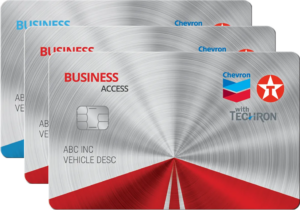
Chevron and Texaco offer three fleet fuel cards. All three support savings through real-time data collection, fuel reporting and fleet-related discounts.
The options include:
- The Business Card: No setup, annual or monthly card fees. Accepted at more than 8,000 Chevron and Texaco stations across the U.S. Useful for small businesses that keep fuel purchases local.
- The Business Access Card: A charge card with up to 6 cents per gallon in fuel rebates at Chevron or Texaco fuel stations. Accepted at 95% of U.S. gas stations, it supports businesses that need flexible fueling options.
- The Business Access Flex Card: Similar to the Business Access Card, with up to 6 cents per gallon in rebates at Chevron and Texaco fuel stations. It has no setup, annual or monthly card fees and allows users to carry a balance, which can support cash flow.
Fuel card controls help protect those savings. Fleet managers can align card settings with fuel spending policies, including:
- Authorized days of use
- Authorized hours of use
- Total number of transactions per day, week or month
- Total fuel volume or purchase amount per fillup
- Fuel grade (premium vs. regular)
- Fuel type (gas, diesel, EV)
These same controls and alerts can reduce unauthorized fuel purchases, card misuse and fraud while keeping fuel expenses aligned with policy.
5. Strengthen Security and Fraud Prevention
Fuel card systems with real-time monitoring typically include anti-fraud features. Vehicle-specific PINs, odometer readings, geofencing alerts and purchase rules can help businesses detect unusual activity quickly. These features are designed to help reduce card misuse, protect company money and keep transactions aligned with business goals.
When paired with near-real-time GPS location data, managers can verify if purchases match job locations, routes and scheduled activities. Mismatches can trigger alerts for investigation and add accountability across the team.
6. Simplify Reporting and Gain Actionable Insights
Turn Fuel Reports into Operating Decisions
Fuel reporting becomes more useful when managers can compare fuel spend by vehicle, driver, location and route. These reports help identify fuel consumption patterns, mileage anomalies, repeated exceptions, maintenance issues and cost reduction opportunities before they become larger fleet management problems.
Real-time monitoring tools are designed to generate detailed reports by driver, vehicle or location. Chevron and Texaco fuel card dashboards allow users to view spending trends, track fuel usage per trip, monitor vehicle performance and identify fuel efficiency issues.
Reports can be customized and scheduled daily, weekly or monthly. Real-time data can turn spreadsheets into dashboards that help teams review trends, track fuel costs and make faster decisions.
7. Increase Return on Investment with Advanced Tools
Businesses that use real-time monitoring may see fuel savings, improved productivity and lower maintenance costs.
This technology can reduce risk, improve visibility and help fleets make decisions that align with financial and operational goals. The return comes from fuel savings, safer driving, reduced paperwork, better reporting and stronger control.
Use Fleet Fuel Monitoring to Manage Fuel Costs
Real-time fuel monitoring may help improve fuel management and daily fleet control. With a Chevron and Texaco fleet card, companies can manage spending, improve fleet efficiency and support growth with tracking, reporting and fuel savings tools.
To learn how Chevron and Texaco fleet fuel cards can support fuel monitoring capabilities, explore your card options here.