How Company Fuel Cards Work, Who Benefits and What to Compare Before Choosing One.
For businesses dependent on company vehicles, a company fuel card gives drivers a controlled payment method for fuel, maintenance services and approved road expenses. Managing those payments, receipts, transactions and fuel expenses affects daily operations, accounting workflows and the company’s bottom line.
For these organizations, business fuel cards can automate fuel expense reporting, reduce risks such as fuel theft, and give managers real-time tracking, card controls, spending limits and visibility into fuel costs with more precision than credit cards, receipts and spreadsheets.
This article provides a practical overview of business fuel cards, how they work, where they can be used and which features matter when comparing potential company fuel card options for your business.
What to Compare in a Company Fuel Card
A company fuel card should be evaluated by where it is accepted, how card controls work, what fees apply and whether the account supports reporting, alerts, rebates, fuel savings and customer service. Those details affect how well the card fits daily business operations.
Companies should also compare network coverage, fuel station locations, mobile app access, fraud protection, expense tracking, payment options and integrations with existing accounting or fleet management tools.
At the pump, a good card program should make approved fueling simple for drivers while still giving managers the data they need. Driver ID prompts, odometer readings, purchase limits and fuel type rules can create convenience for employees and better oversight for the company.
Business Fuel Card 101
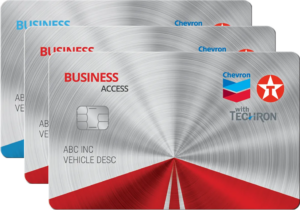
A business fuel card can be used to purchase fuel, maintenance services and other approved vehicle-related expenses. It may look similar to a traditional credit card or debit card, but it can also provide transaction details, fuel purchase controls, driver data and reporting tools behind the scenes.
Who Uses Business Fuel Cards?
A business fuel card is scalable for small businesses, companies with local fleets of service vehicles and enterprises with larger nationwide fleets. The right card program can support multiple drivers, vehicles, locations, gas stations and operating needs.
How Businesses Use Fuel Cards
Each driver enters a Driver ID number with the odometer reading at the fuel station point of purchase. The Driver ID adds security, while the odometer reading supports analysis of each vehicle’s fuel consumption, fuel efficiency and transaction history.
Whether you are a small business owner or a dedicated fleet manager, a company fuel card program can help you monitor cards, track transactions, set spending controls, review fuel spend and compile reports through a website or mobile app.
Track Company Fuel Card Transactions by Driver and Vehicle
Transaction details help managers connect each purchase to a driver, vehicle, location, fuel type and odometer reading. This visibility supports expense management, budget allocation, compliance review and faster decisions when spending patterns change.
Why Use a Business Fuel Card?
A business fuel card can address related business problems: manual expense tracking, fuel theft, inconsistent receipts, limited visibility and weak control over fuel purchases.
Manual fuel expense tracking takes time for drivers and managers. Drivers have to collect and submit receipts, while managers need to enter data, create reports, analyze driver spending and review potential issues such as theft, misuse or out-of-policy purchases.
Traditional vehicle expense reporting often creates a static record instead of a real-time monitoring. Active monitoring helps flag spending issues as they develop.
With a business fuel card, this process can be automated. When drivers use their cards, transaction data can be uploaded for reporting, analysis, expense tracking and budget review through a website or mobile app.
Automated Issue Detection</h2
A business fuel card can provide near real-time analytics powered by driver card data, purchase details, odometer readings and fuel station locations.
These company fuel card capabilities can help:
- Flag purchase anomalies based on custom fuel spending policies, card controls and spending limits.
- Identify maintenance issues before they contribute to mid-route breakdowns, delays or excess fuel use. Vehicles using more fuel than their mileage suggests may need review for maintenance, route planning or driver behavior issues.
- Identify misuse, fuel fraud or inefficient fuel purchasing habits quickly instead of months after the transaction.
A business fuel card also helps businesses take control of card usage while protecting drivers’ ability to buy approved fuel when and where they need it.
A company fuel card can improve vehicle expense reporting by turning manual data collection into a monitoring, analytics, alerts and control workflow.
A business fuel card enables an organization to control total spending and define which road expenses can be purchased with the card. Useful limits can include card usage by day, time, fuel type, location, gas station network, geography or purchase category.
Together, these features simplify vehicle expense tracking and help limit cost risks such as fuel theft, card misuse and unauthorized purchases.
A company fuel card can improve vehicle expense reporting by turning manual data collection into a monitoring, analytics, alerts and control workflow.
Fuel Cards Can Help Fight Fuel Theft
Fuel is a major operating expense for many businesses, and fuel theft creates real cost and security risks. A business fuel card can help prevent, identify and document several types of fuel theft.
- A driver may misuse a fuel card to fill up a personal vehicle or leave it unattended for others to access. Real-time tracking, Driver ID numbers, fueling limits, location details and fuel purchase data can help prevent misuse.
- A stolen card can lead to purchases which may not be caught until later. Business fuel cards can provide real-time tracking, automated issue detection, customizable spending limits, alerts and the ability to shut down lost or stolen cards quickly.
- Fuel can also be stolen after purchase through siphoning. A fuel card cannot prevent siphoning, but mileage analysis, fuel consumption trends and transaction details can help identify the issue sooner.
Tips to Help Prevent Fuel Theft
- Keep fuel tanks locked and vehicle keys secured
- Keep vehicles parked in safe, secure, well-lit areas whenever possible
- Educate employees on the dangers of fuel theft and proper fuel card use
- Employ incentives and consequences, when necessary, to reinforce proper fuel card procedures
- Anti-theft devices, fuel sensors, and anti-siphoning hardware all provide extra layers of protection
Choosing the Right Business Fuel Card Provider
When comparing business fuel cards, ask providers how their card supports controls, reporting, locations, rebates, card fees, customer service, acceptance, integrations and fraud protection. A card without the right features may function more like a basic credit card than a fuel management solution.
Business Fuel Card Benefit Checklist
- Automated fuel expense reporting. A fuel card should reduce spreadsheet work, simplify reports, support tax-time documentation and reduce manual data entry from receipts while gathering more detailed expense data than a traditional credit card.
- Improved control. Managers should be able to set customizable limits on driver purchases, track expenses by individual or vehicle, review transactions and manage fuel cards through the web or mobile app.
- Reduce risky behavior. A fuel card should help reduce fuel theft, notify the company of irregular purchases and give drivers a simpler process than collecting receipts or tracking mileage manually.
- Actionable analytics. Fuel cards can be paired with data analysis tools and dashboards to help track spending patterns, fuel efficiency, fuel spend, maintenance signals and opportunities to reduce costs.
Consider these questions as you compare company fuel card options:
- How many vehicles does your business operate, and how many drivers need cards? This information helps determine the number of fuel cards, accounts and driver IDs you need. Depending on your business model, it may make sense to tie cards to drivers, vehicles or both.
- How many gallons of fuel are you currently purchasing? Some business fuel cards offer volume-based discounts, rebates or fuel savings on eligible fuel purchases.
- Do you have preferred fuel brands, gas stations or service locations? A branded business fuel card can offer discount opportunities and clearer network coverage.
- When choosing a card, consider the card features, implementation process, customer service, application requirements, card fees and whether the provider can support your business needs.
Compare Rebates, Fees and Network Coverage
Before choosing a provider, review card fees, rebate rules, fuel discounts, gas station acceptance, fuel stations in your routes and whether the card works anywhere your drivers need approved fueling. The best fit depends on your locations, fleet size and preferred payment workflow.
Fuel Card Implementation: Choosing a Card that’s Ready for Business

Fuel cards can save money, limit risk and provide more detailed insight into vehicle expenses. Those benefits should support daily operations without disrupting drivers.
The goal of implementation is to get working cards to drivers quickly while minimizing disruption to the mobility your business needs.
Potential card providers should offer resources to help the rollout of a new business fuel card. Implementation support, driver activation tracking, training materials and documentation can help unlock fuel card benefits with less disruption.
When selecting a fuel card, consider both the operational benefits and the ease of implementation for your business.
A typical business fuel card implementation process may include these steps, and your provider should offer resources such as FAQs, checklists and support information:
- A business orders fuel cards based on the number of drivers and/or vehicles needing a card.
- Cards are distributed to drivers via mail and/or onsite collection, while Driver IDs are sent separately and securely for each driver.
- Set up an online account and download a free mobile app to manage cards and accounts, schedule payments and pay bills.
- Once drivers begin fueling, transaction data is collected and can be accessed for reporting, analysis, monitoring and tracking.
Set Up Alerts, Reports and Card Controls
During implementation, configure alerts for unusual transactions, define spending limits, document card usage rules and schedule reports. These setup steps can improve fraud protection, fuel expense tracking, reimbursement workflows and ongoing fuel management.
The right technology can also connect company fuel card data with fleet operations, accounting processes and manager review. When reports show fuel purchases by driver, vehicle, location and billing cycle, teams can spot exceptions faster and make better decisions about budgets, policies and fuel efficiency.
Switching to a New Business Fuel Card
If you are switching from an existing business fuel card, drivers may understand the basic workflow. Define changes to standard operating procedures, old card cutoff dates, new card usage rules and the timeline for fueling with the new cards in the field.
Rolling Out a Business Fuel Card for the First Time
If drivers are used to a business credit card, explain the benefits of the new business fuel card. Driver ID entries, card controls, receipt reduction, fuel station data and reporting details can help build buy-in and create a smoother transition to the new business card program.
Whether you are moving to a business fuel card for the first time or switching providers, the foundations of implementation are the same:
- Clear Communication and Driver Education. Strong fuel cards should be driver-friendly, but changing daily work habits still requires clear instructions and helpful resources, such as a checklist for using the new card.
- Planning With a Transparent Timeline. Clear dates for switching to the new business fuel card help avoid managing two payment systems at once and encourage drivers to use the approved card.
- Implementation Resources. Provider resources can reduce internal work. Look for implementation resources such as activation tracking, training materials, support documentation and customer service contacts.
Streamline Implementation with a Driver-Friendly Business Fuel Card
When comparing business fuel cards, select a provider with the features drivers need. During rollout, emphasize driver benefits such as easier fueling, fewer receipts, mobile access, approved service locations and clear purchase rules.
Key Driver Benefits of a Business Fuel Card Solution
- Business fuel card providers should offer app-based tools to help locate on-route, in-network fuel or service locations, including options for diesel, E85 or CNG when those fuel types are relevant.
- With a new business fuel card, drivers should not need to collect and submit fuel receipts for every approved purchase.
- Easy mobile access: drivers can access purchase details, account information and card usage rules from a smartphone app.
- The right business fuel cards can help drivers see habits that affect fuel efficiency. Performance visibility can support safer, more efficient driving.
Sample Use Cases: Fuel Cards in Action
The following sample scenarios show how the right company fuel card features can support day-to-day business operations.
Scenario One
A regional food distribution company maintains a small fleet that executes time-sensitive daily deliveries for customers at restaurants and grocers across a wide geographic area.
The prior year’s accounting showed the fleet spending more on fuel than expected based on mileage. With credit cards shared between drivers and limited tracking capabilities, the business lacked the transaction visibility needed to identify the cause.
After the business introduced a fuel card, driver-level purchase data helped identify overpayments and flag a vehicle with unusual fuel consumption, pointing to a possible maintenance issue affecting fuel economy.
Scenario Two
A delivery service provides consumer and B2B moving/shipping assistance across the continental United States. With no regular routes, their business model depends on drivers making independent decisions about routes and fuel stops.
When vehicles are distributed across the country, cards can be at risk for theft or misuse. Even small unauthorized purchases can add up over a year and affect vehicle ROI.
With a business fuel card, the company could track expenditures across its fleet in real time, identify lost or stolen cards quickly and use custom spending controls to limit non-fuel purchases while preserving driver flexibility on the road.
Scenario Three
A local towing and road assistance company was growing, but fuel reporting became harder with each new vehicle. The owner was managing receipts, data entry and spreadsheet reporting manually.
Manual data entry created errors and last-minute reporting work before a tax deadline. The business did not have a practical way to analyze spending patterns, fuel efficiency or potential inefficiencies.
A business fuel card reduced manual data entry and gave the owner a way to track driver spending in real time. The business transitioned drivers to the new card system without relying on paper receipts for every fuel purchase.
Final Thoughts: From Record Keeping to a Fuel Management Strategy
A business fuel card can support fuel purchases, expense reporting, theft detection, card controls and fuel management in one program.
A business fuel card with the right capabilities can help create and enforce vehicle fuel policy, limit costs and preserve driver flexibility. In this role, a company fuel card becomes a payment method and a fuel management platform.
Without a business fuel card, it can be difficult to execute a fuel management strategy. Manual reporting tools often delay actionable insights until well after the purchase.
With a fuel card, a business has actionable insights and the ability to take earlier action to control spending.
This level of control over fuel expenditure is the core value a business fuel card should deliver.
Choose a business fuel card with the controls, reporting, locations, alerts, rebates and support your business needs.
Reach out to providers to confirm they can deliver the benefits your business needs.
In this role, a company fuel card becomes a payment method and a fuel management platform.
Ready to turn fuel spending into a smarter business advantage? Compare Chevron and Texaco business fuel cards to review card features, fuel rebates, controls, fees, acceptance and payment options in one place. Choose the card program that best fits your drivers, routes and fuel management goals.